 Image 1 of 4
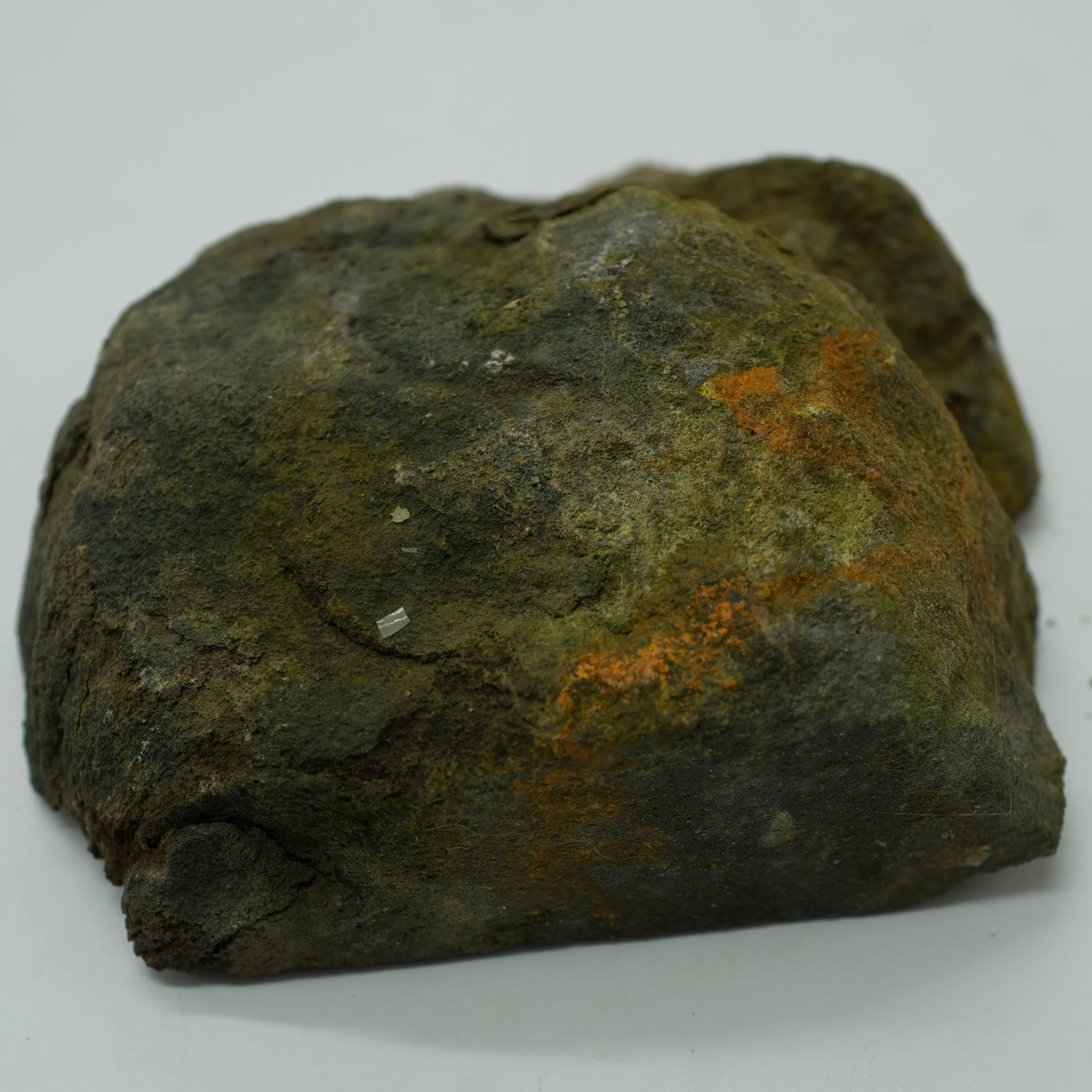 Image 2 of 4
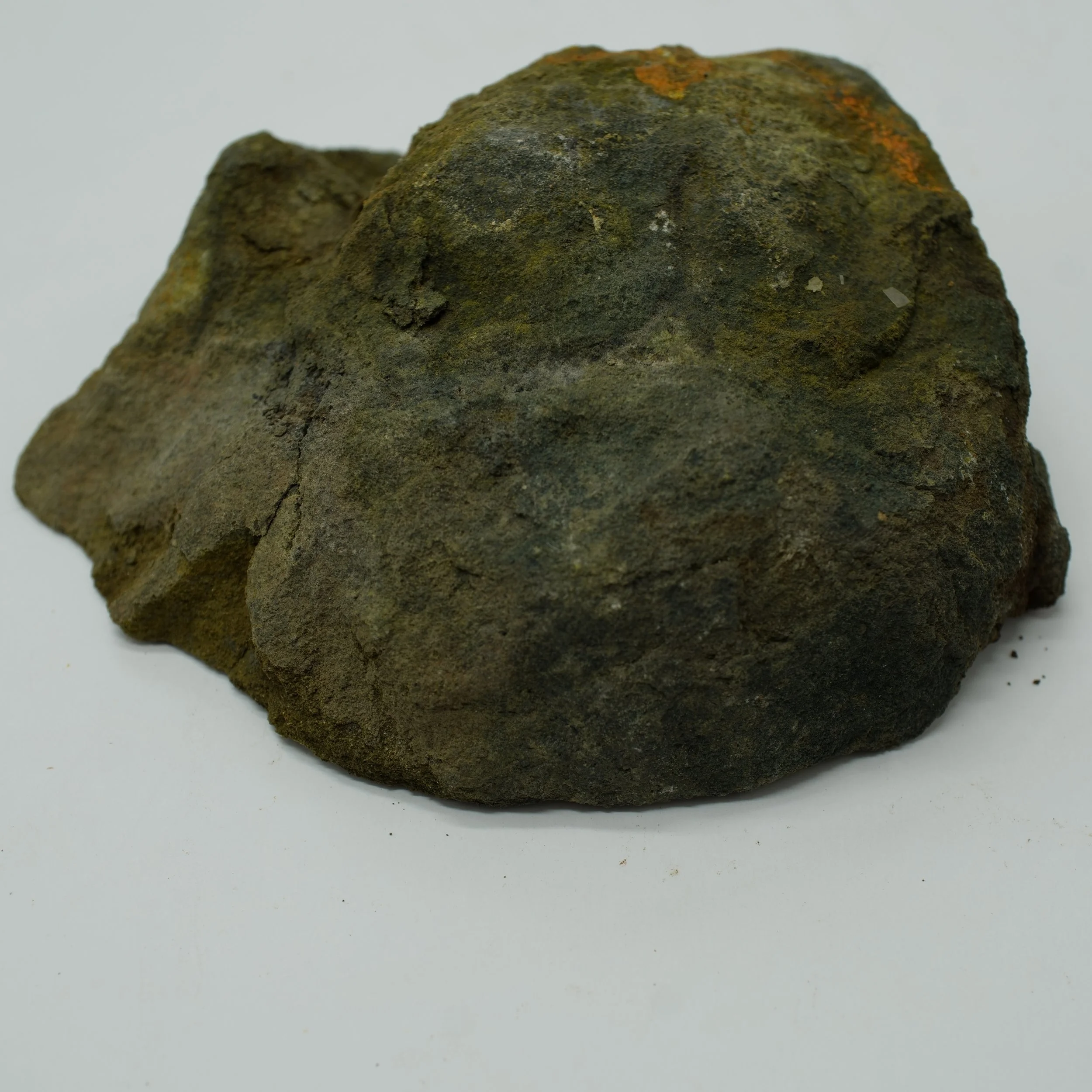 Image 3 of 4
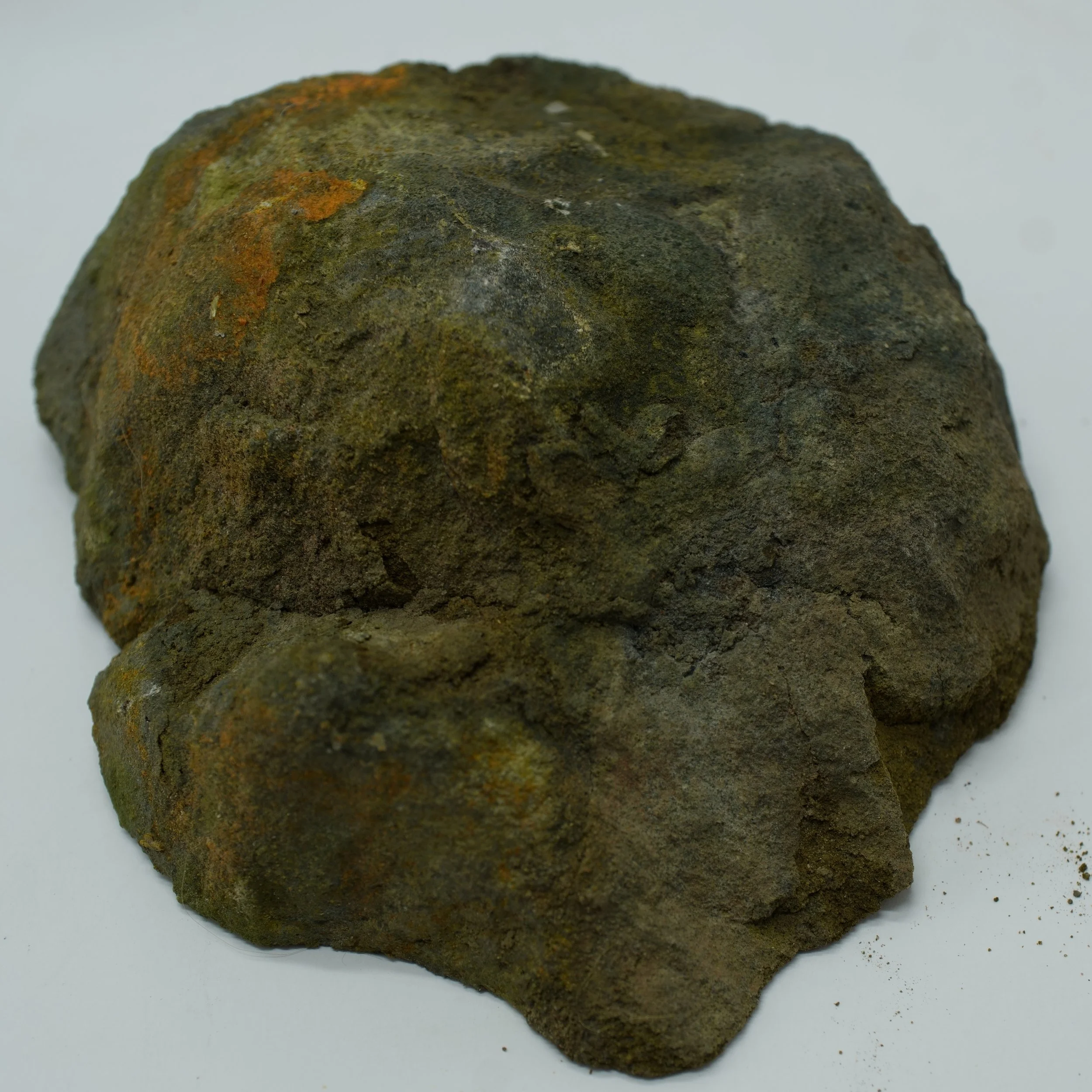 Image 4 of 4
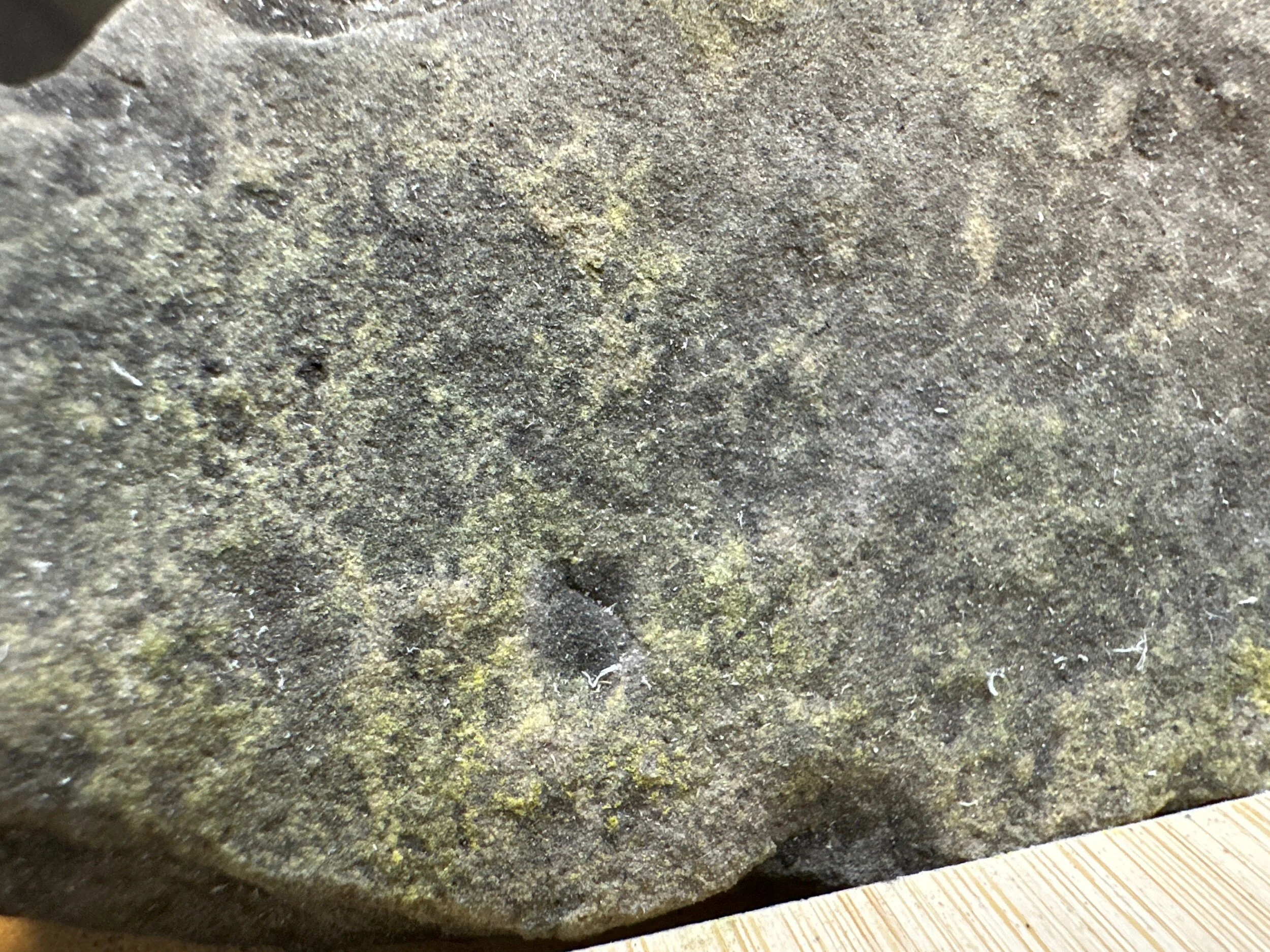
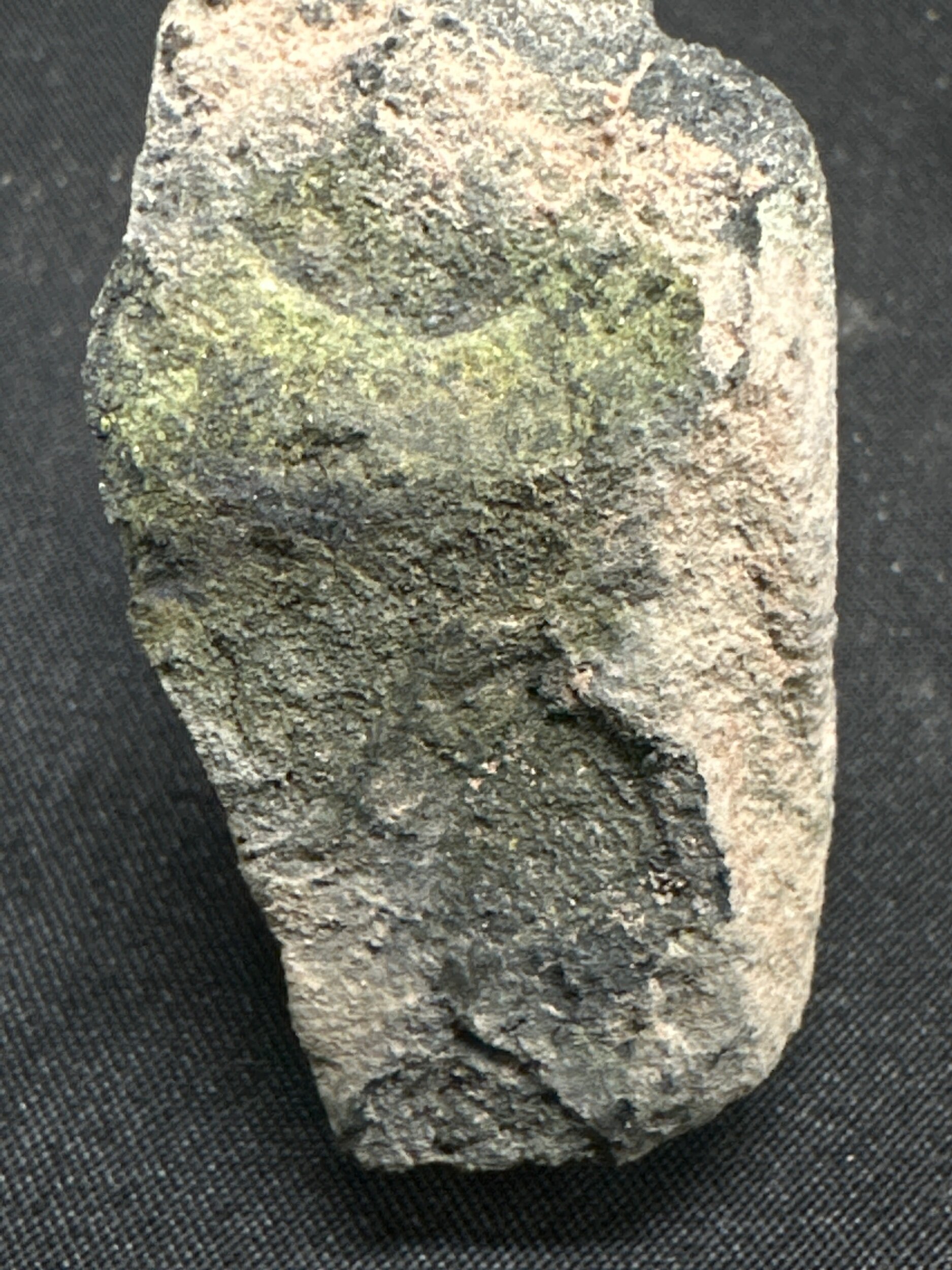
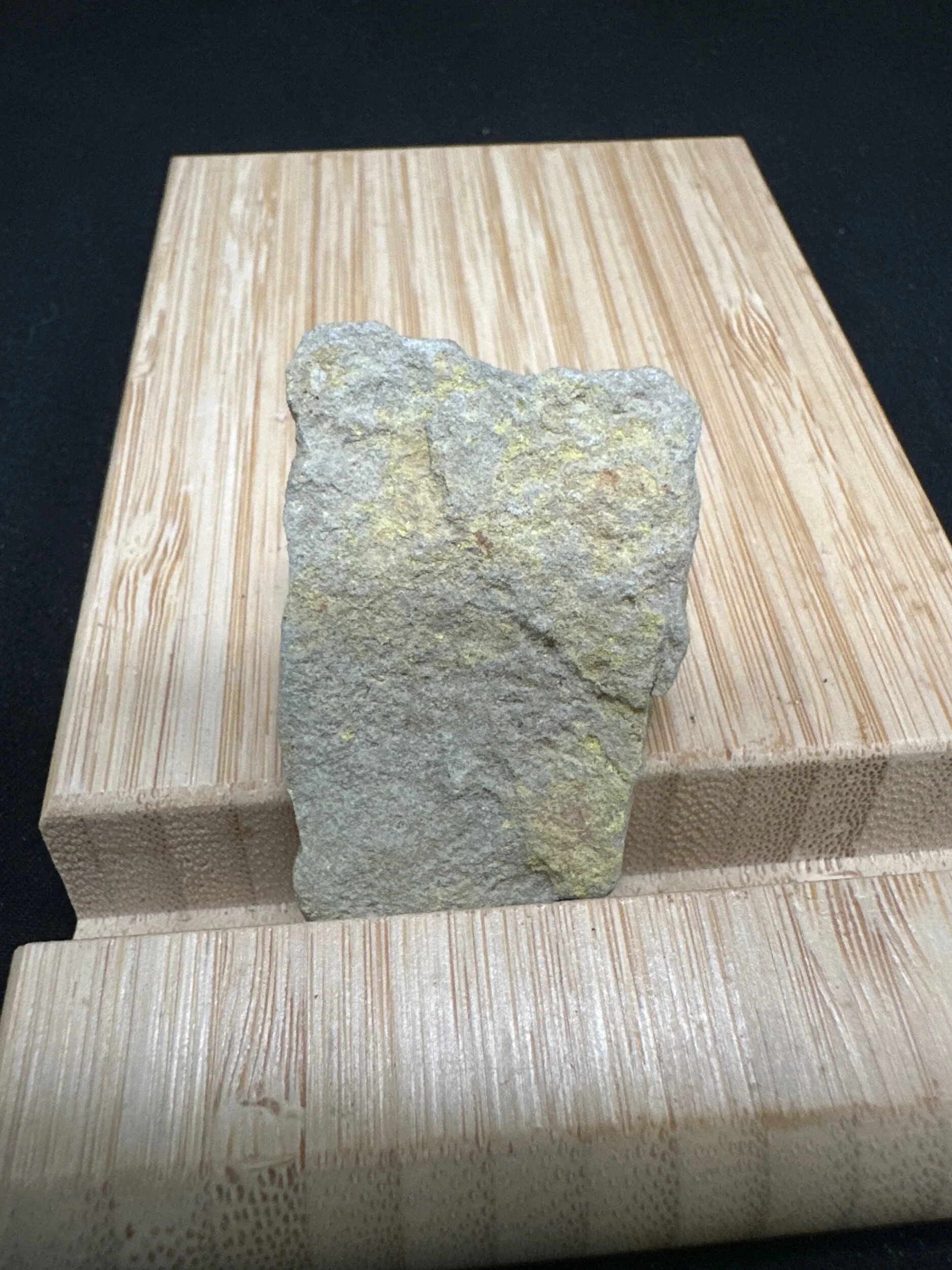
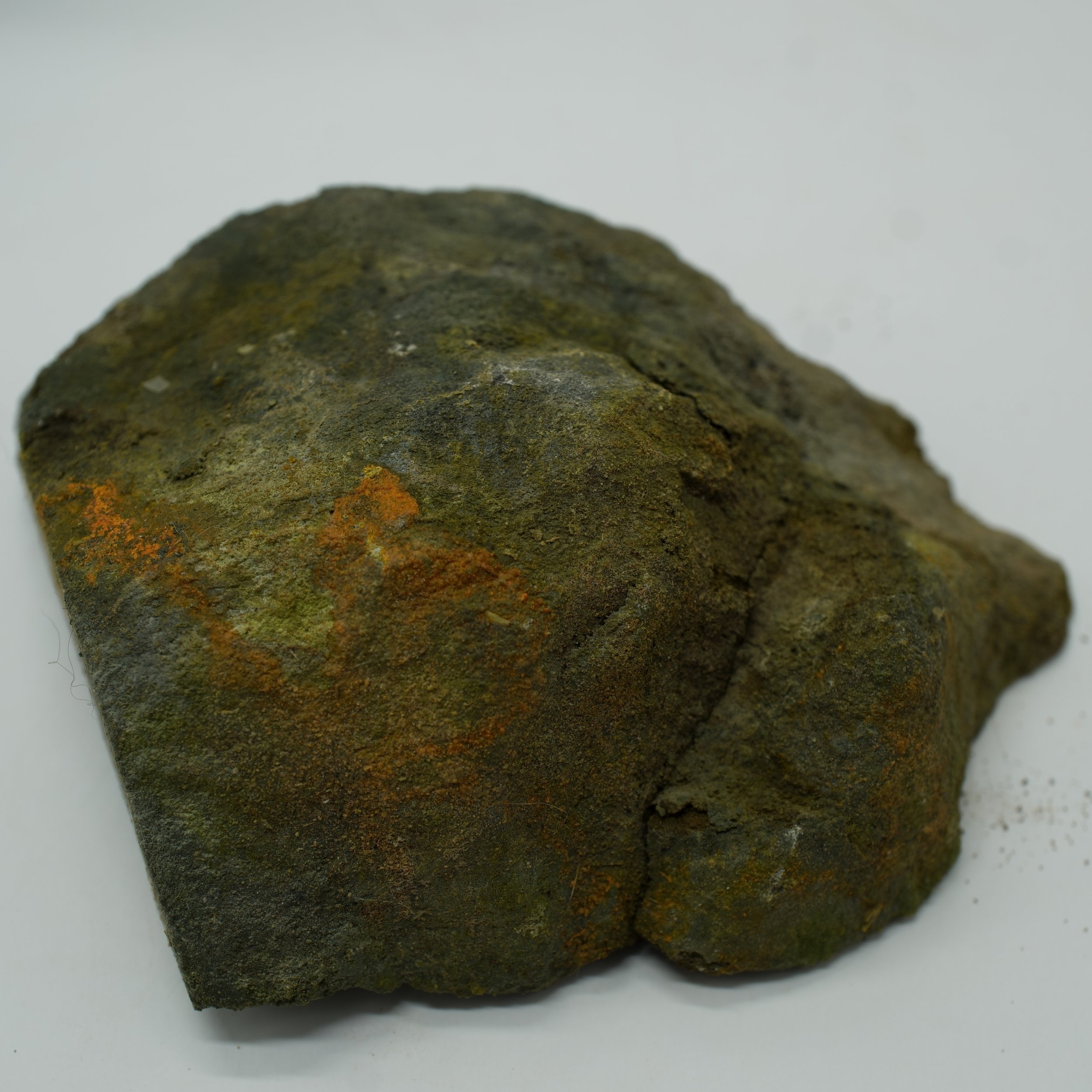
This specimen is a compact but hot uranium ore showing classic secondary uranium mineralization developed on a sandstone host. The surface exhibits olive-green to dark yellow staining with localized orange-yellow patches, consistent with carnotite-group uranium vanadates, with possible trace reduced uranium phases deeper in the matrix.
Despite its modest size, this piece delivers strong activity for its weight, making it an excellent high-CPM density specimen. The weathered, matte surface and subdued coloration are typical of Colorado Plateau material that has undergone prolonged oxidation, rather than fresh fracture or artificial exposure. This is a natural, stable collector piece with two cut edges.
Weight: 10 oz (≈ 283 g)
Dimensions: approx. 3.5 × 3.5 × 1 inches (≈ 8.9 × 8.9 × 2.5 cm)
Locality: Utah, USA (Colorado Plateau region)
Condition: Natural, Two Cut Edges
Measured Activity: ~25,000 CPM
Instrument: Pancake Geiger probe
UV Response: None observed
Shipping: Ships legally under UN 2910 – Excepted Radioactive Material
⚠️ Radiation Notice:
This specimen emits measurable ionizing radiation. Avoid prolonged handling and display appropriately.
Geologic context: Sandstone-hosted uranium deposits of Utah formed from uranium-bearing groundwater precipitating secondary uranium minerals such as carnotite along permeable zones.
Non-uranium minerals: Iron oxides (goethite/limonite), sandstone matrix
Activity level: Strong relative to size
Best use cases:
CPM density comparison specimen
Educational demonstrations
Entry-to-mid level uranium collections
Best for:
Collectors wanting higher activity without large mass
Element collectors focused on uranium-bearing rock
Educators needing a compact but responsive source
This specimen is a compact but hot uranium ore showing classic secondary uranium mineralization developed on a sandstone host. The surface exhibits olive-green to dark yellow staining with localized orange-yellow patches, consistent with carnotite-group uranium vanadates, with possible trace reduced uranium phases deeper in the matrix.
Despite its modest size, this piece delivers strong activity for its weight, making it an excellent high-CPM density specimen. The weathered, matte surface and subdued coloration are typical of Colorado Plateau material that has undergone prolonged oxidation, rather than fresh fracture or artificial exposure. This is a natural, stable collector piece with two cut edges.
Weight: 10 oz (≈ 283 g)
Dimensions: approx. 3.5 × 3.5 × 1 inches (≈ 8.9 × 8.9 × 2.5 cm)
Locality: Utah, USA (Colorado Plateau region)
Condition: Natural, Two Cut Edges
Measured Activity: ~25,000 CPM
Instrument: Pancake Geiger probe
UV Response: None observed
Shipping: Ships legally under UN 2910 – Excepted Radioactive Material
⚠️ Radiation Notice:
This specimen emits measurable ionizing radiation. Avoid prolonged handling and display appropriately.
Geologic context: Sandstone-hosted uranium deposits of Utah formed from uranium-bearing groundwater precipitating secondary uranium minerals such as carnotite along permeable zones.
Non-uranium minerals: Iron oxides (goethite/limonite), sandstone matrix
Activity level: Strong relative to size
Best use cases:
CPM density comparison specimen
Educational demonstrations
Entry-to-mid level uranium collections
Best for:
Collectors wanting higher activity without large mass
Element collectors focused on uranium-bearing rock
Educators needing a compact but responsive source